 Image 1 of 4
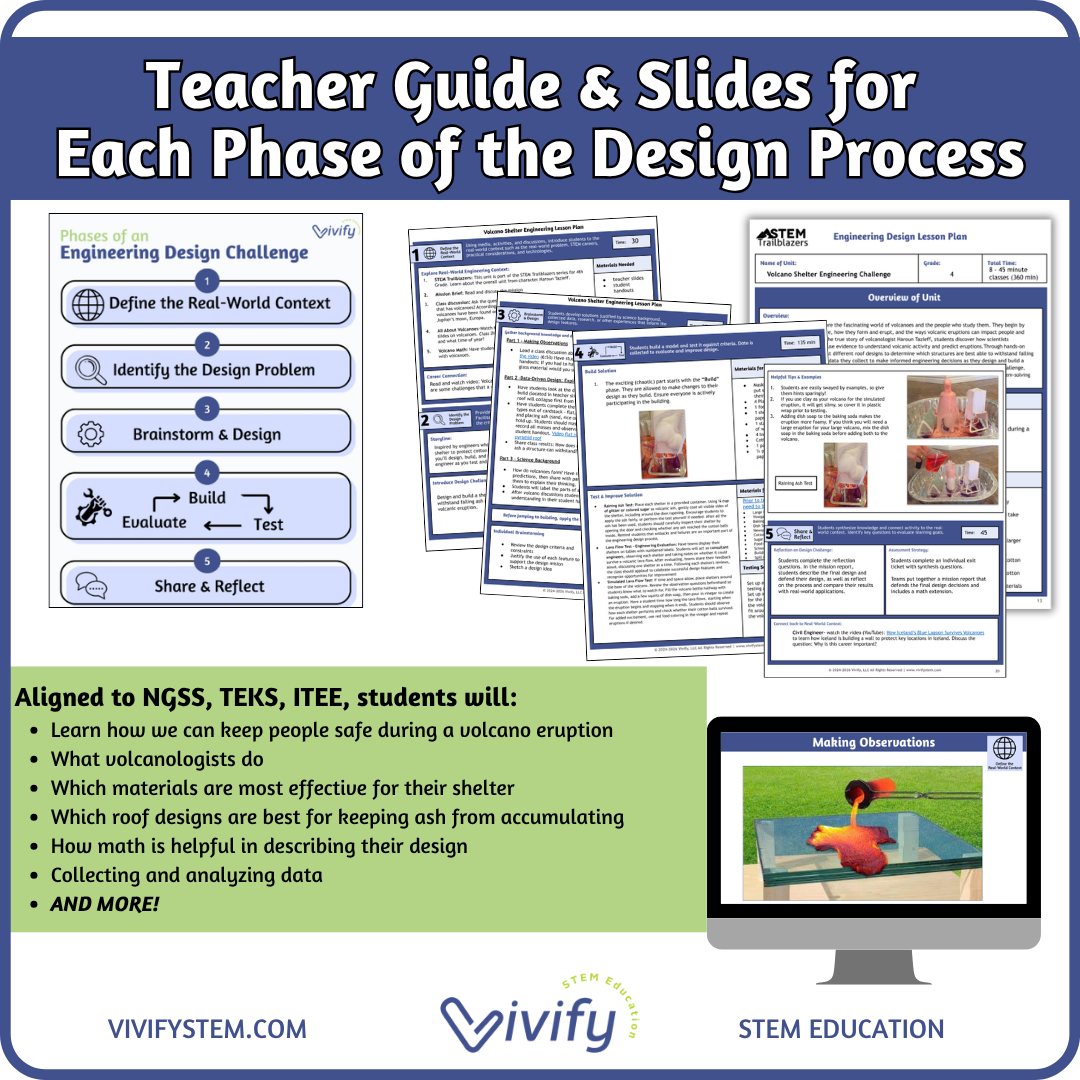 Image 2 of 4
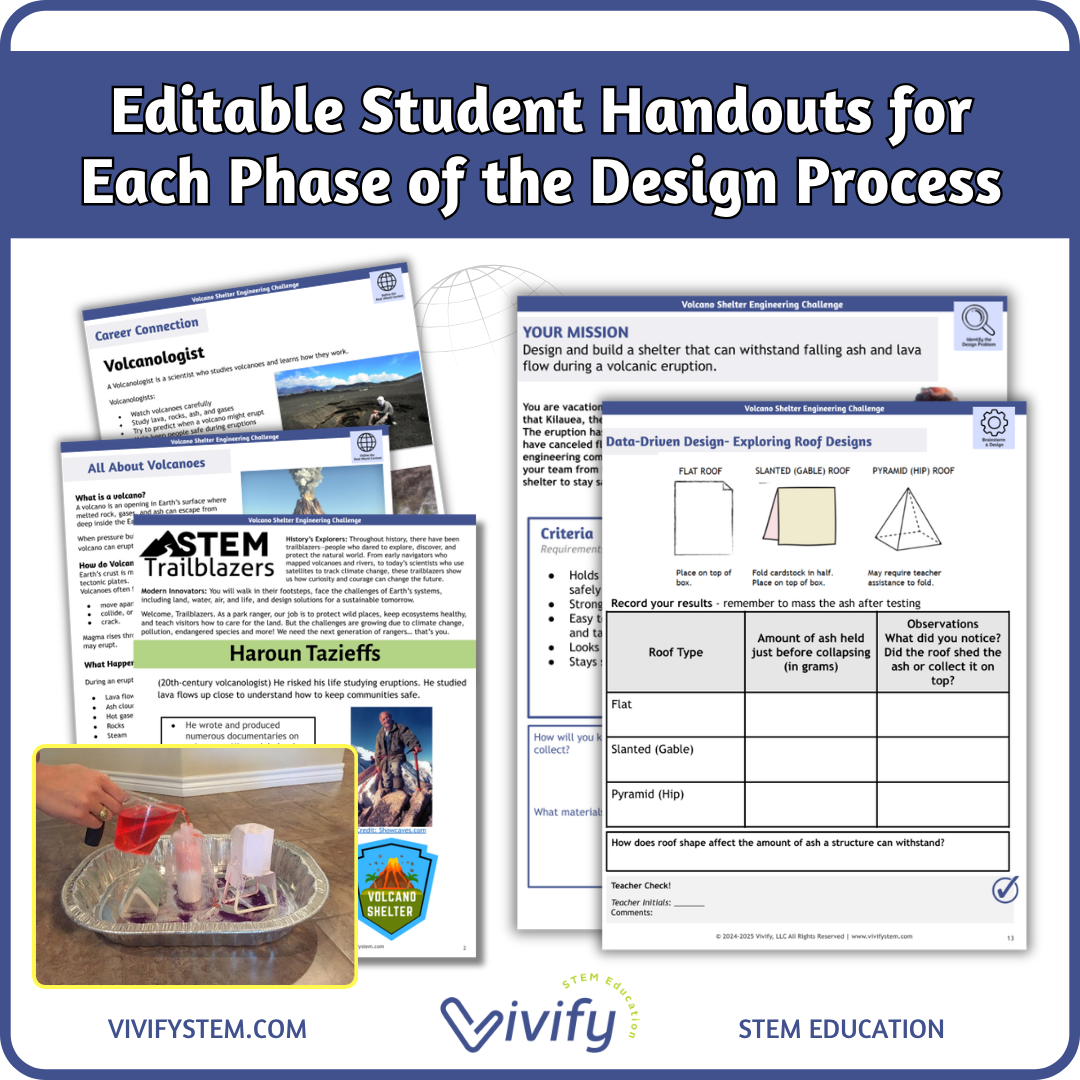 Image 3 of 4
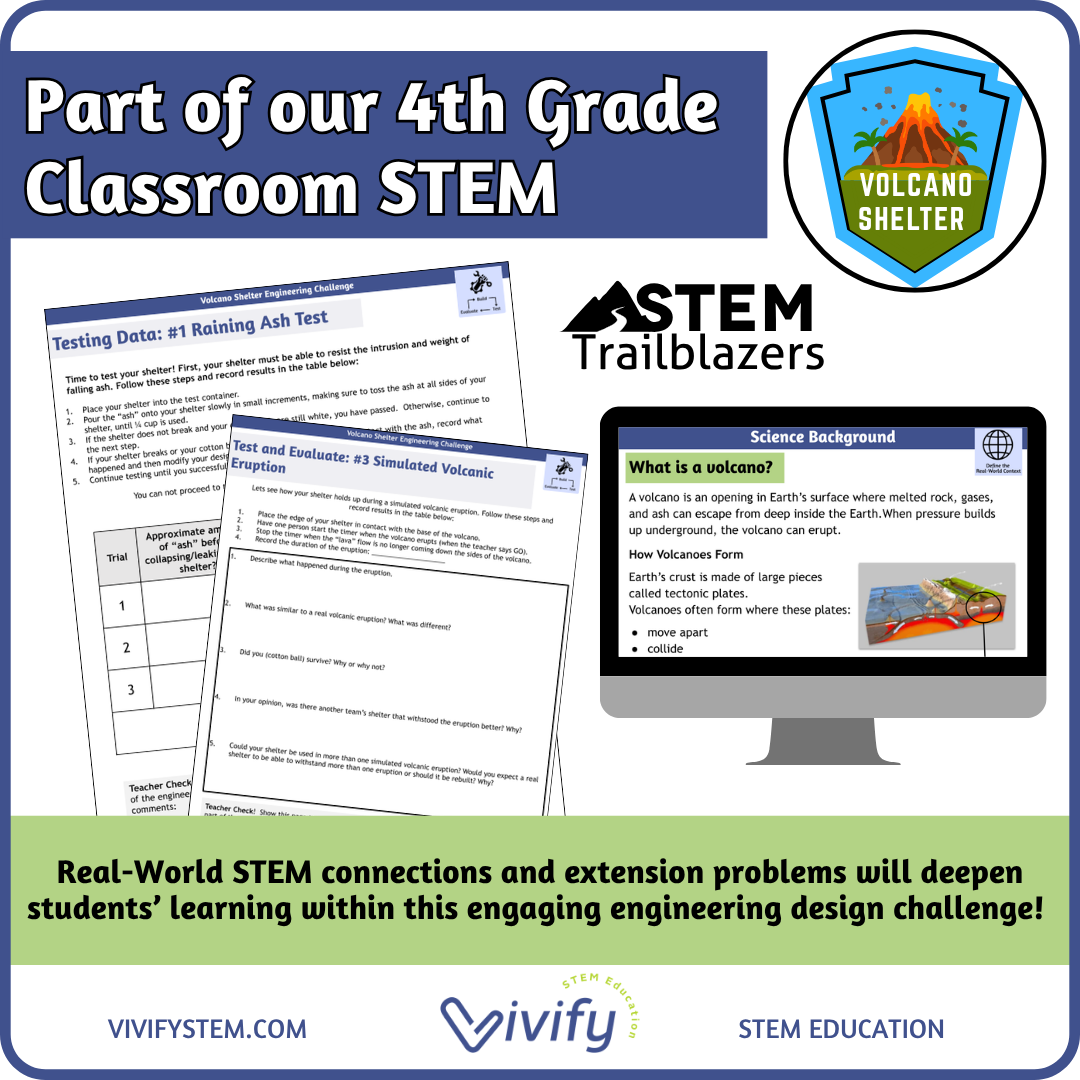 Image 4 of 4
“We had so much fun with this STEM challenge. My kids really worked hard together to build a shelter! It takes the volcano lesson to a whole new level!!!”
Lesson Overview
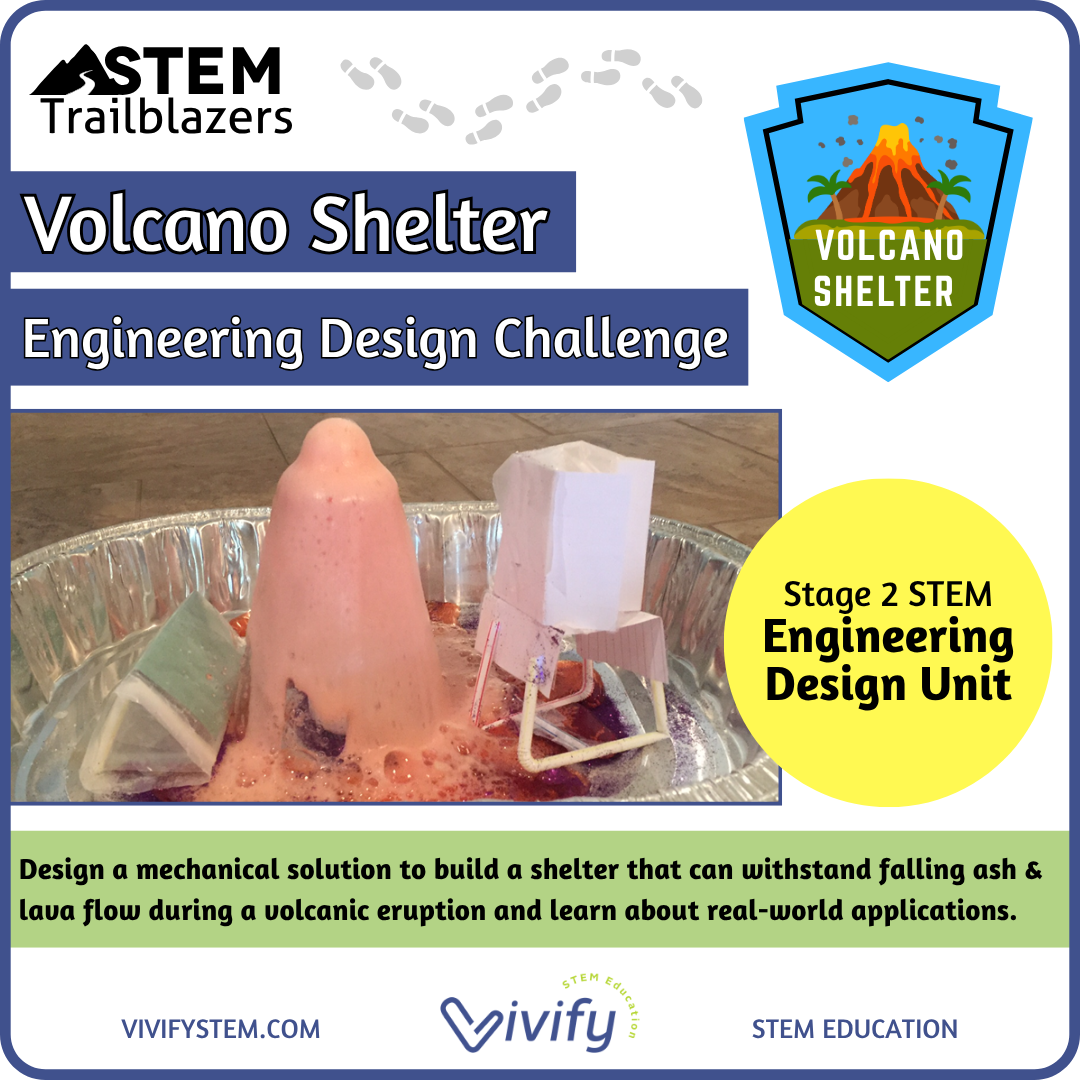
Volcano Shelter STEM Engineering Design Challenge | 4th Grade STEM Trailblazers
In this unit, students explore the fascinating world of volcanoes and the people who study them. They begin by learning what volcanoes are, how they form and erupt, and the ways volcanic eruptions can impact people and communities.
Inspired by the true story of volcanologist Haroun Tazieff, students discover how scientists investigate volcanoes and use evidence to understand volcanic activity and predict eruptions.
Through hands-on investigations, students test different roof designs to determine which structures are best able to withstand falling volcanic ash. They use the data they collect to make informed engineering decisions as they design and build a shelter to protect their team from volcanic hazards, including ash fall and lava flow.
Throughout the challenge, students take on the roles of scientists and engineers, applying their understanding of volcanoes, problem-solving skills, and the engineering design process to create and improve their volcano shelters.
Students Will Learn How to:
Learn how we can keep people safe during a volcano eruption
What volcanologists do
Which materials are most effective for their shelter
Which roof designs are best for keeping ash from accumulating
How math is helpful in describing their design
How to collect and analyze data
AND MORE!
STEM Trailblazers Storyline (Adaptable for Grades 3 - 5): Welcome, Trailblazers. As a park ranger, our job is to protect wild places, keep ecosystems healthy, and teach visitors how to care for the land. But the challenges are growing due to climate change, pollution, endangered species and more! We need the next generation of rangers… that’s you.History’s Explorers: Throughout history, there have been trailblazers—people who dared to explore, discover, and protect the natural world. From early navigators who mapped volcanoes and rivers, to today’s scientists who use satellites to track climate change, these trailblazers show us how curiosity and courage can change the future.
History’s Explorers: Throughout history, there have been trailblazers—people who dared to explore, discover, and protect the natural world. From early navigators who mapped volcanoes and rivers, to today’s scientists who use satellites to track climate change, these trailblazers show us how curiosity and courage can change the future.
Modern Innovators: You will walk in their footsteps, face the challenges of Earth’s systems, including land, water, air, and life, and design solutions for a sustainable tomorrow.
Engineering Learning Goals in this unit include:
Real-World Connections: Learn about the volcano in Hawaii that erupts often and explain what a volcanologist does
Making: Build a functioning model using common materials that can protect your team (cotton balls) from volcanic ash and lava. Re-design based on testing data.
Habits of Mind: Define the criteria and constraints of the engineering problem, use data and research to inform design decisions, and evaluate design performance and identify ways to improve.
Science: Explore the impact of roof shape on protecting against volcanic ash.
Technology: Observe drone images of volcanoes to learn more about how they function.
Math: Collecting data to make informed design decisions, such as how many grams their roof design can take before collapsing.
Included in this product:
Aligned to: NGSS, TEKS, and ITEEA Standards
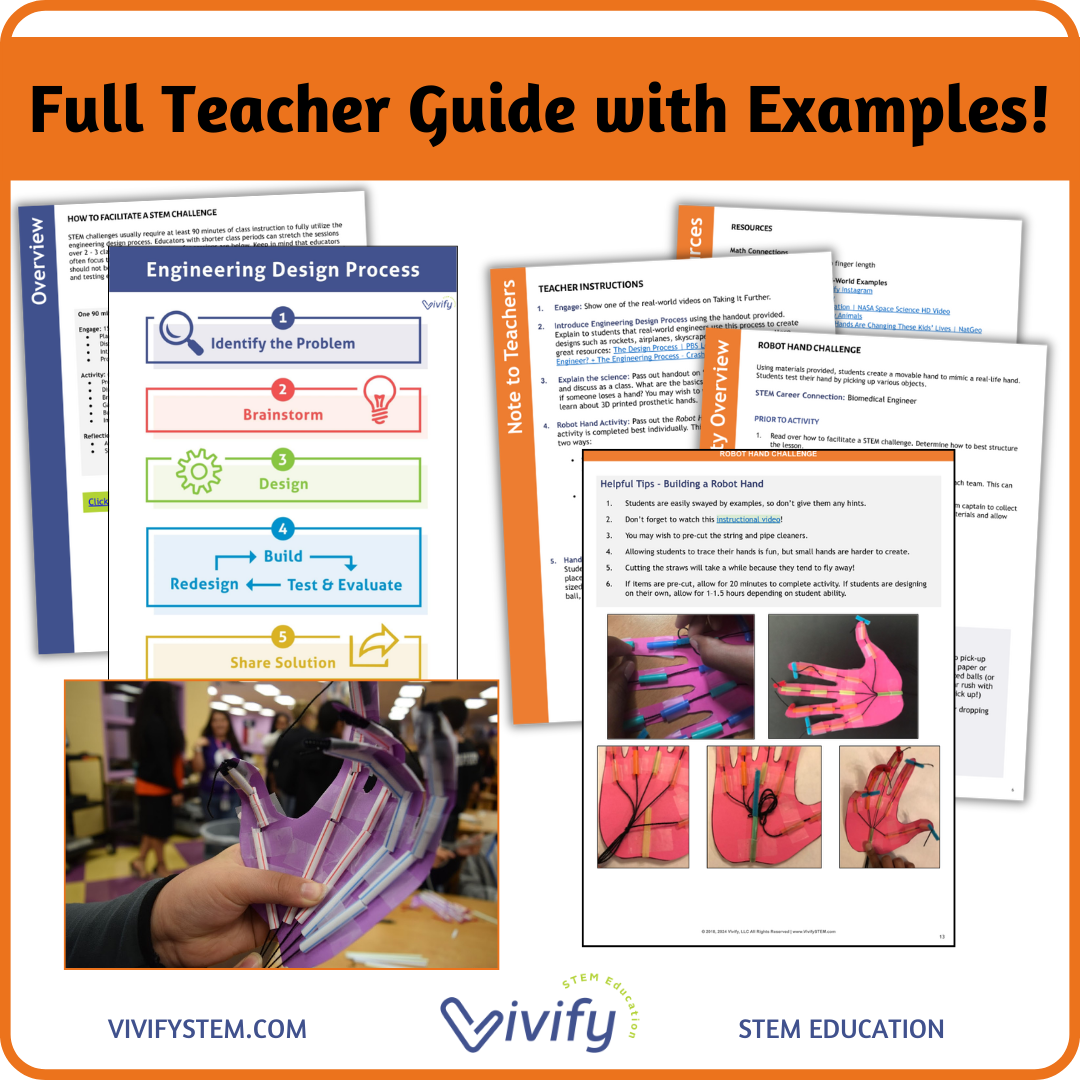
Complete Teacher Guide following the engineering design process
Materials list and activity suggestions
Editable teaching slides
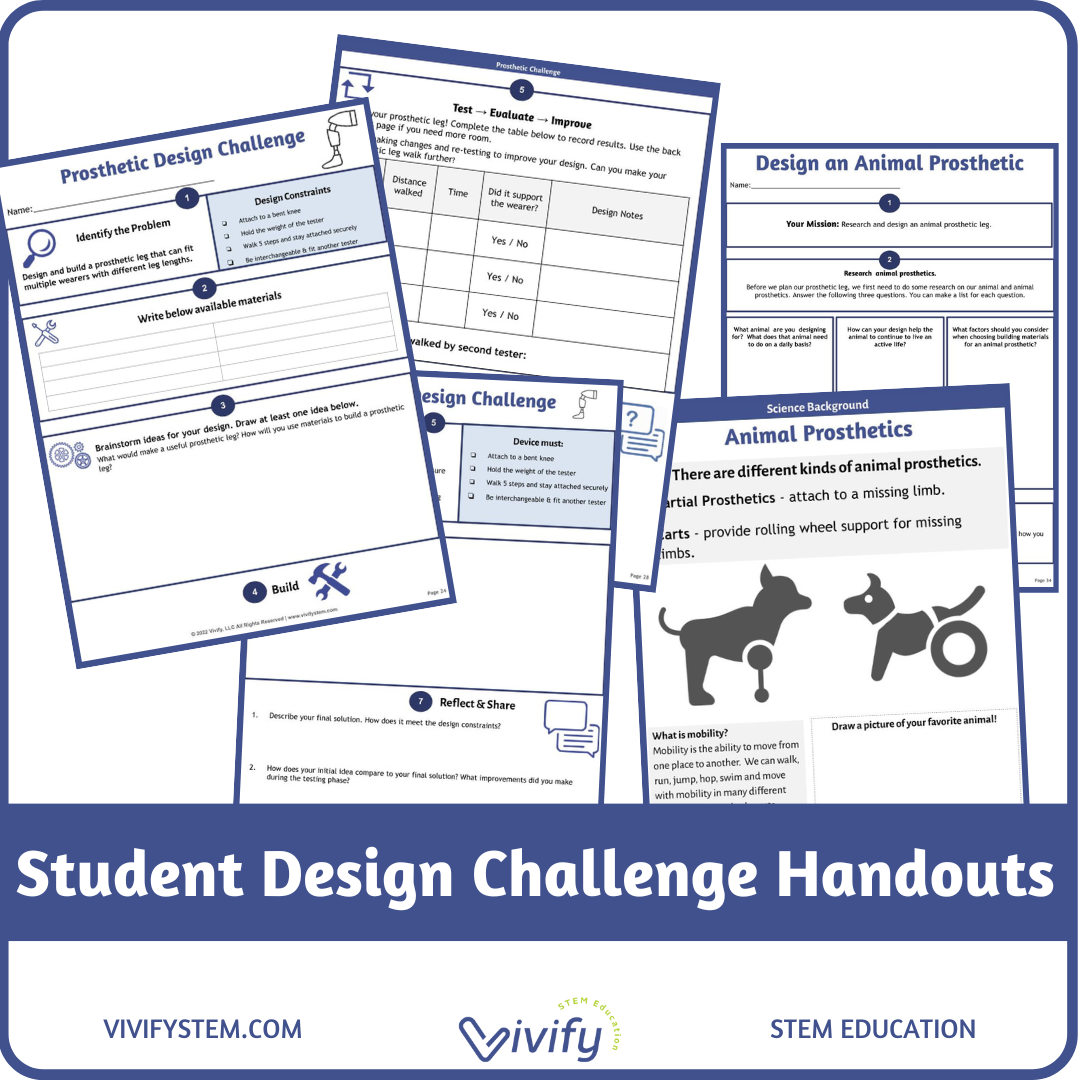
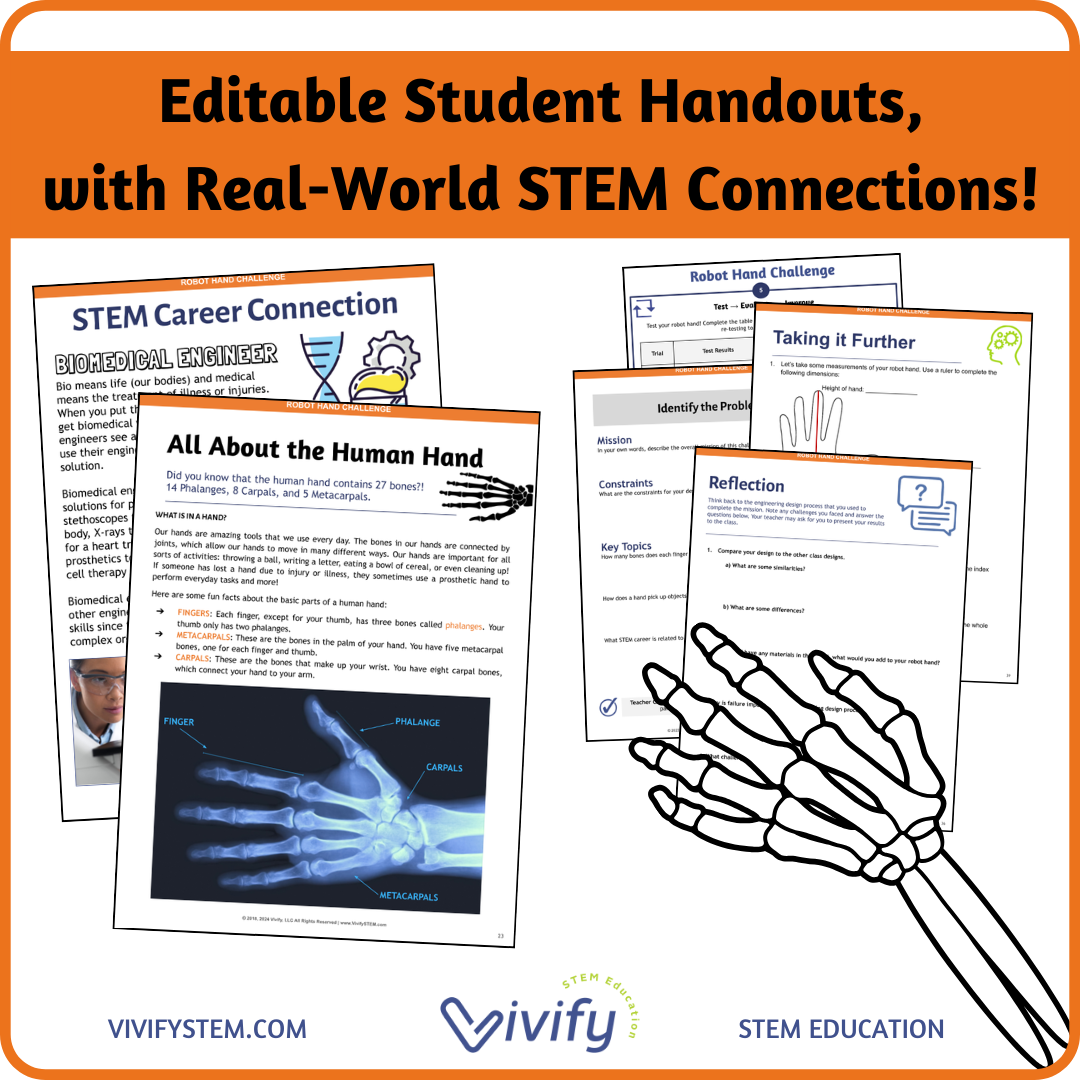
Student handouts for each phase of the design process, including science background, STEM career connection, and more!
Two versions of student badges for completing the mission: pre-colored or a black and white option for students to color themselves to celebrate!
Recommended Supplies
Student Materials:
Masking tape (whole roll or put some strips hanging off of their work area)
4 Plastic straws
1 foot of string
2 sheets Card stock or standard paper
1 standard sheet sized piece of wax paper
4 Index cards
Cotton balls (one per person)
1 pair of scissors
¼ piece of colored letter size paper as a “size guide”
Volcano Eruption:
Large Container for experiment
Vinegar
Baking Soda
Dish Soap
Newspaper (or other medium - See Notes in Teacher Guide)
Additional Supplies:
Cotton balls
Sugar (or glitter)- rice, beans or sand
Food coloring (to color sugar)
Scissors
Building supplies
Spill container (to catch glitter)
2021 Science TEKS Standards Alignment (Texas)
Practices: 3.1A-B, D-G; 3.2A, C-D; 3.3A-B; 4.1A-B, D-G; 4.2A, C-D; 4.3A-B; 5.1A-B, D-G; 5.2A, C-D; 5.3A-B
Content: 3.10A; 4.10B; 4.00A; 5.12A