

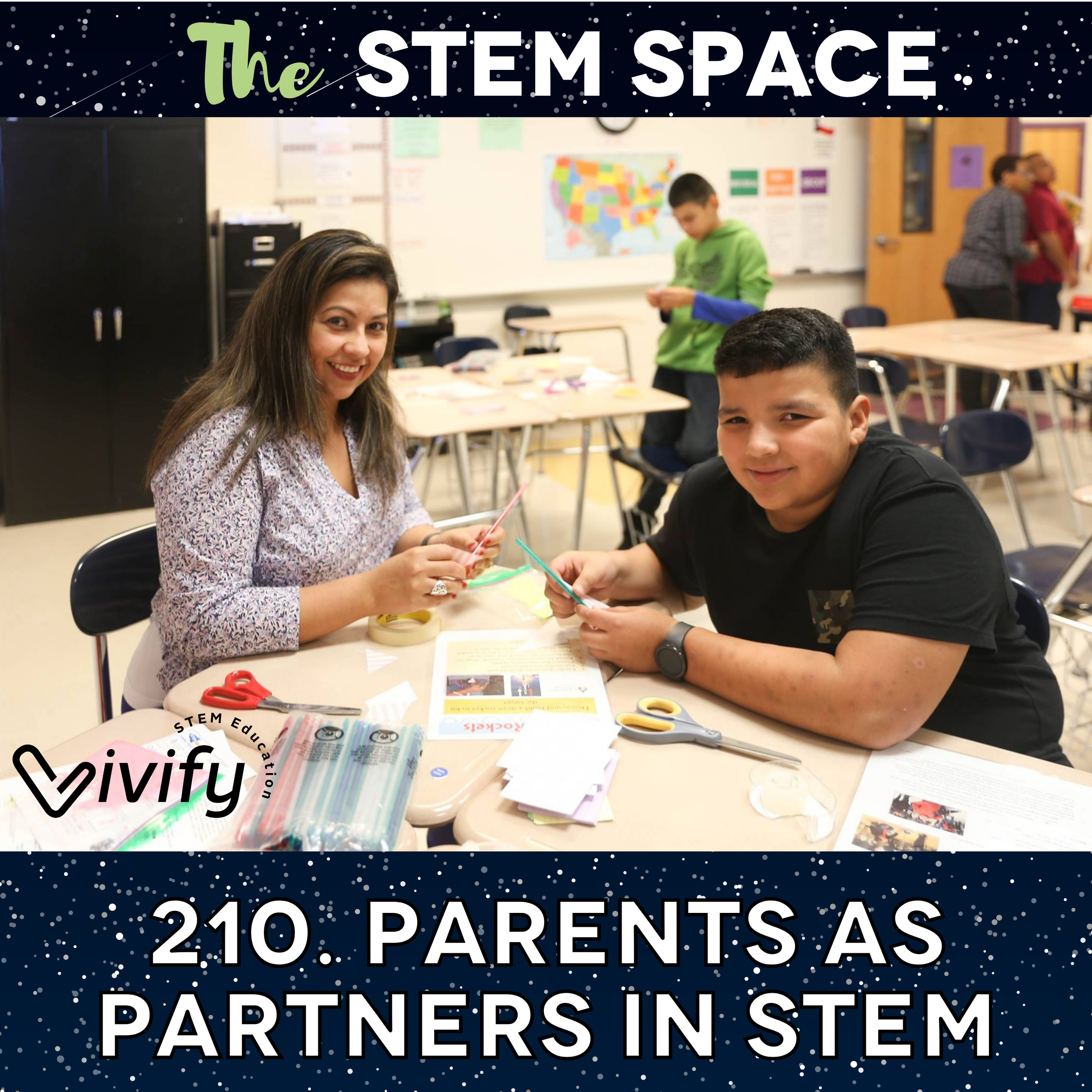
210. Parents as Partners in STEM
When we think about parent volunteers, we often picture parents helping with classroom parties, fundraisers, field trips, or other special events. But what if we invited parents to be involved in the academic work happening at school, too?
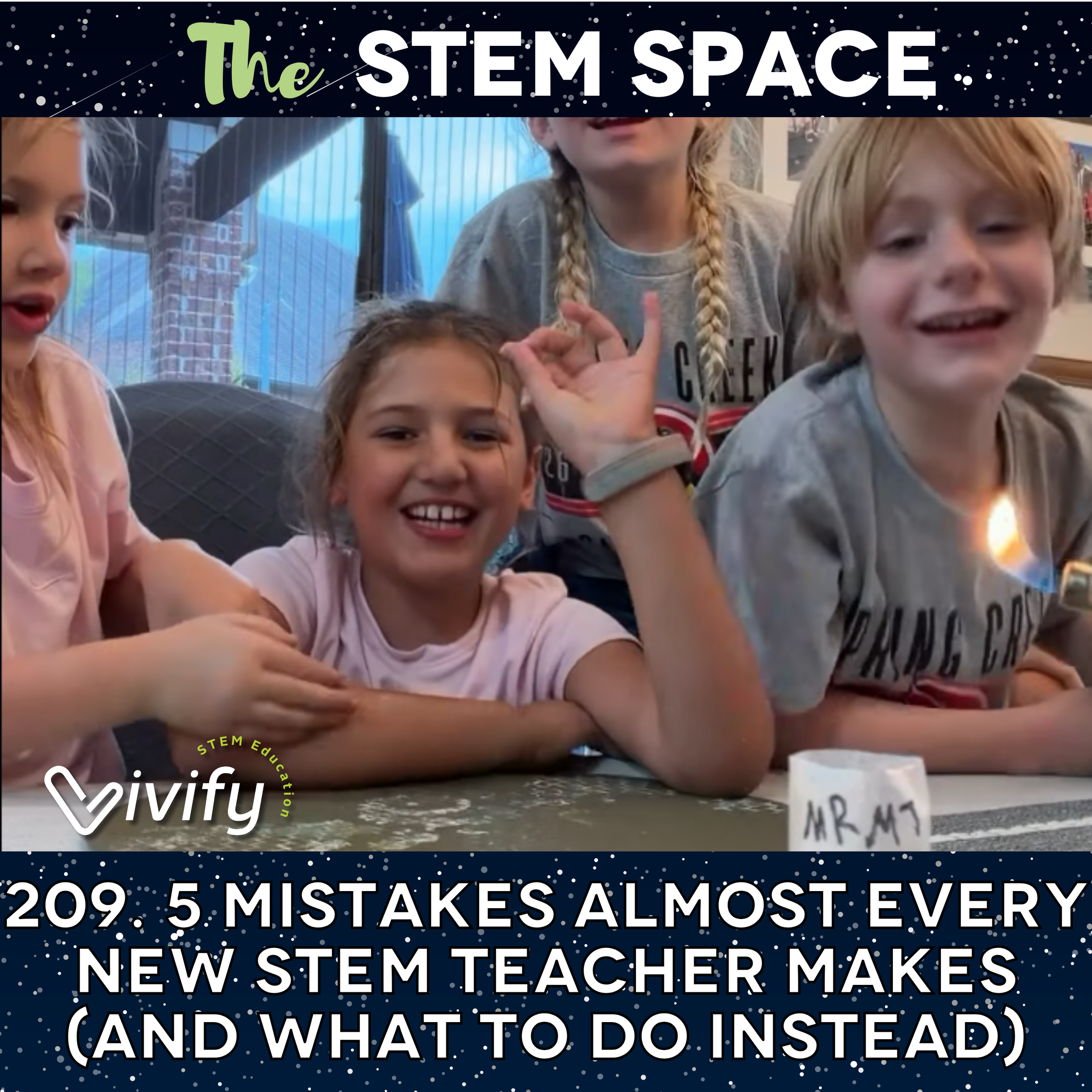
209. 5 Mistakes Almost Every New STEM Teacher Makes (And What to Do Instead)
Whether you're brand-new to STEM or you've been teaching it for years, this episode is an invitation to look at your STEM lessons through a different lens: less emphasis on making something that works the first time, and more emphasis on creating students who know what to do when it doesn't.

208. How Do You Know What You Know?
Claire and Natasha explore the challenge of teaching students to navigate a world filled with misinformation, misleading statistics, and confidently stated “facts.”
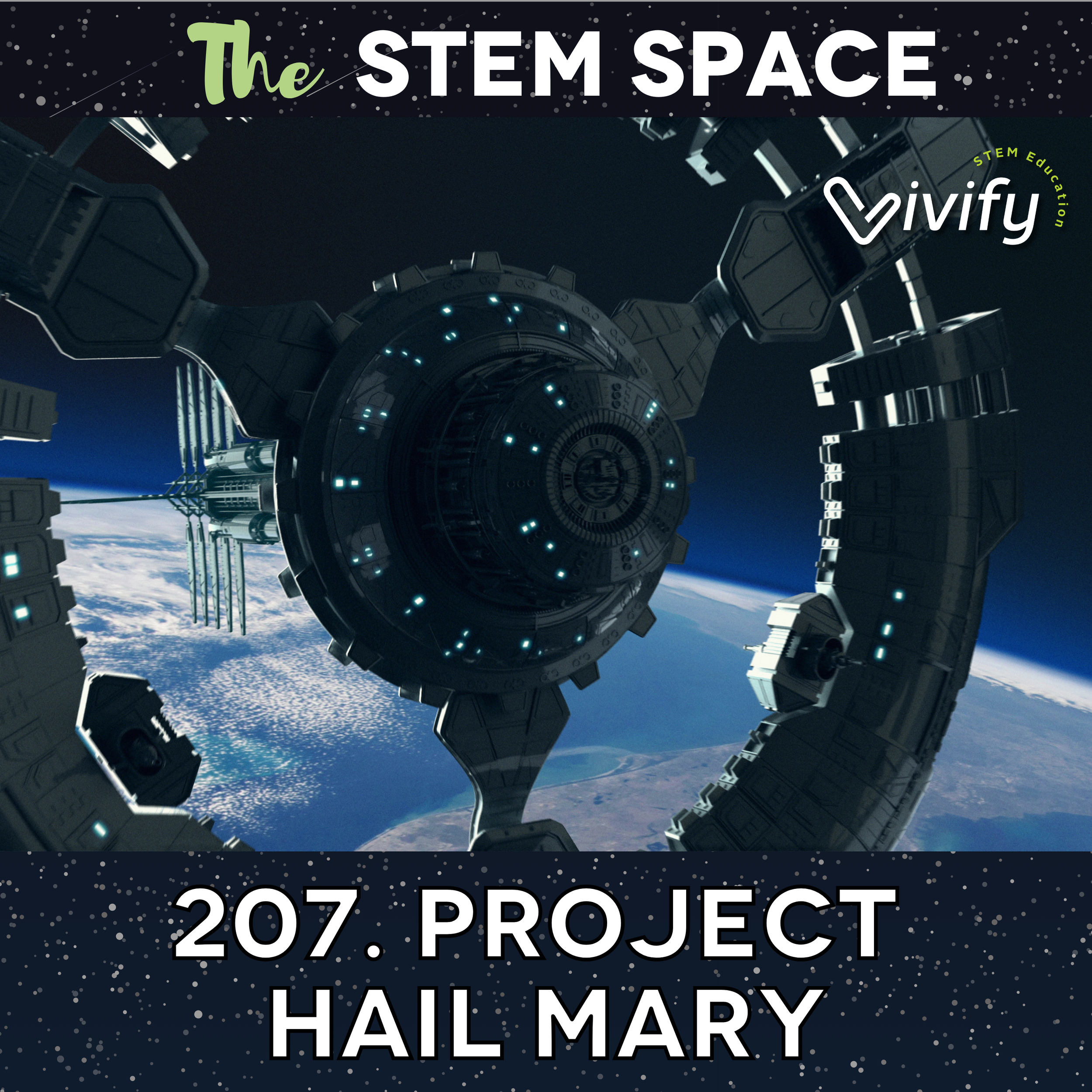
207. Project Hail Mary
Claire takes you inside a real classroom project inspired by Andy Weir’s Project Hail Mary — featuring student voices, hands‑on STEM design, and big science takeaways.
206. How to Turn Off Your Selective Attention
Natasha and Claire explore selective attention and how turning it off may be the key to innovation. Hear about the scientific work of Ellen Swallow Richards, who highlighted the importance of clean water, and learn about other notable yet accidental scientific discoveries, too.
205. Can You See Stuff In Your Head?
Discover where you fall on the imagination spectrum as we explore how the brain processes mental imagery, from vivid visuals to aphantasia. Featuring the work of Dr. Margaret Livingstone, this episode connects neuroscience to classroom learning and includes a free lesson inspired by her research.